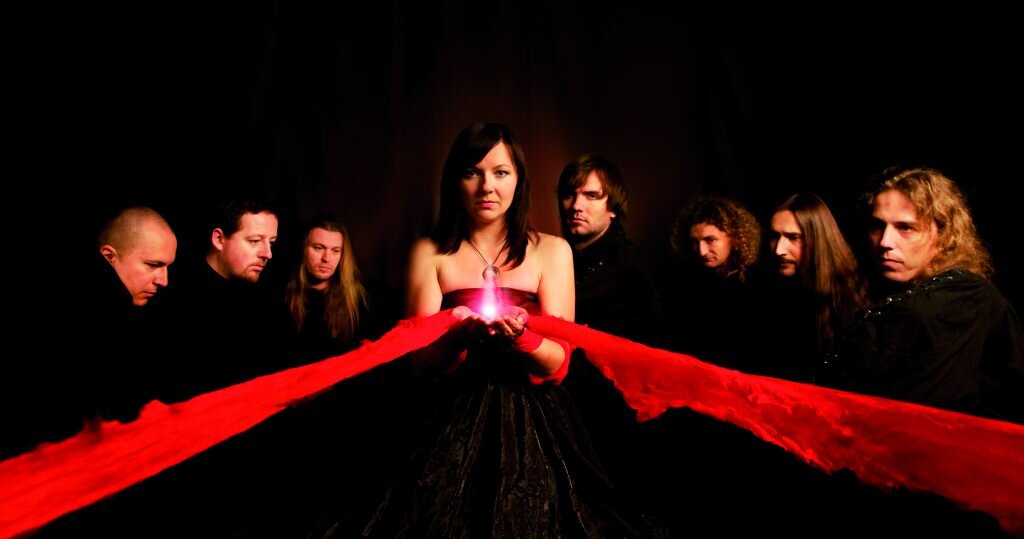
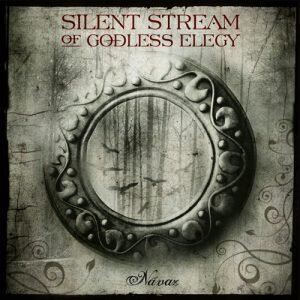
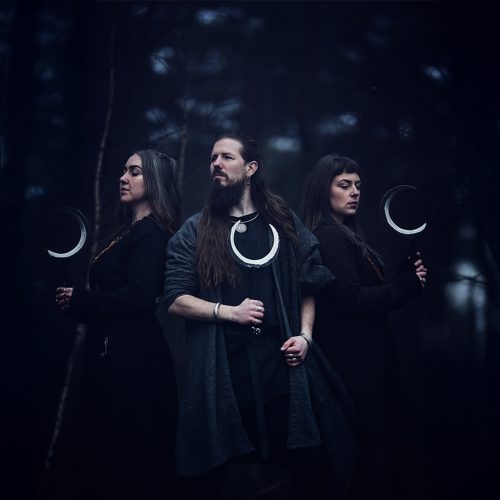
SILENT STREAM OF GODLESS ELEGY have been pioneering Folk Metal since their founding in 1995. They emerged from Hranice in Moravia, which makes up the eastern third of modern day Czech Republic, deep within the Slavonic heartlands. It is the Slavic feelings of ancient longing and melancholy that fuel the fires of passion on the band's sixth album "Návaz". "Návaz" is a traditional amulet made from hair, blackberry leaves, ash and other odd ingredients. Tradition permeates the music of the Moravians by their use of violin, cello and dulcimer; it also shows in the vocals and choral parts.
The band's 1996 album debut "Iron" was an immediate success in their native Czech Republic and praised by critics and fans alike. Therefore expectations went up high for the follow up "Behind the Shadows" (1998). This album did not only satisfy the wishes of their adherents, but also gained SILENT STREAM OF GODLESS ELEGY fame beyond the borders of their homeland and is considered a milestone in their career until this day. Yet the final breakthrough came with their third full-length "Themes" (2000), which won them their first Czech Grammy award in the hard'n'heavy category.
Despite their massive success SILENT STREAM OF GODLESS ELEGY were not content to just rest on their laurels. After several changes in the line-up, which left guitarist Radek Hajda as the only remaining founding member, the Moravians were ready for new challenges. Their next album "Relic Dances" was recorded with the aid of leading Moravian folk musician Tomáš Kočko and the dulcimer ensemble Radošov. In addition to the energy and power of Metal and the darkness of Doom, SILENT STREAM OF GODLESS ELEGY injected their sound with the sorrow and melancholy of traditional Moravian ballads. This fusion of hard music and the colours of Moravian folklore won the band their second Czech Grammy award now called "Anděl" in the year of release 2005. Due to popular demand, in 2006 the band released the EP "Osameli" with more material from the "Relic Dances" recording session.
Having thoroughly conquered their homeland, SILENT STREAM OF GODLESS ELEGY are now ready to take on the world. With Folk Metal being at a peak of popularity throughout Europe, the Moravians are able to stake their claim as pioneers of this genre, as opposed to all the cheap followers of the trend. SILENT STREAM OF GODLESS ELEGY take their traditional influences seriously, which is reflected by a host of professional guest-musicians with acoustic instruments joining for the recording of Návaz. The Moravians move far beyond simple drinking songs and could be compared with a fresh whirlwind blowing through the Folk Metal genre, like the unfortunately short lived but legendary GÅTE from Norway. At the same time, they share the catchiness of the German so called Medieval Metal and Rock scene or their Finnish Folklore counterparts, while maintaining complete originality and difference in sound deriving from their native traditions.
SILENT STREAM OF GODLESS ELEGY are raised beyond the ordinary by Hanka Hajdová's warm and clear female vocals that find their natural counterpoint in Pavel Hrnčíř's strong male voice. Guitars, bass and drums add to or contrast with the acoustic instruments using the powerful chords of Metal. In order to achieve a perfect sound that maintains their power, but still reveals all complexities and details of their acoustic instruments, the Folk Metal minstrels entered GrapowStudios, where they recorded „Návaz" in union with Roland Grapow himself. Close you eyes, listen carefully and be taken away to a world of ancient pagan times full of magic, mystery, nymphs, undines and messages of the elders. Let the "Návaz" spin...
The recent years the folk metal phenomenon has slowed down and some of the cheesy, happy clappy inhabitants seem to have fallen by the wayside to allow the more serious bands to step forward in their place, normally those from Eastern Europe. Probably the most prominent of these has been Napalm's (who else?) signing Arkona who've seen a massive jump in interest over the past year or two but they're not the only band who've been round the block a few times before being picked up by one of the more well know labels. Behold Silent Stream of Godless Elegy who mix up a bit of folk with a bit of doom metal to produce something utterly captivating. The first track Mokoš has a sombre vibe that flows through the entire album and by itself makes the band stand out from the crowd. It is a mostly acoustic affair with the drums and strings leading the way while vocalist Hanka Hajdová smoothly glides over the top of it all until a massive chorus kicks introducing the distorted guitars, that are brought into the verses alongside growling vocalist Pavel Hrnčíř almost effortlessly and don’t overpower any of the other instruments and, probably more importantly, retain the mood that the song has captured all the way to the end with that soaring outro. Zlatohlav starts of a in a slightly more metal fashion with the guitars having a crushing tone to them before the strings take over again in a clean passage that forms the verse. The band have worked out some magical formula that allows these, not quieter as such, but less intense sections to provide a dynamic with the heavier parts that doesn’t seem tacked on or false like some bands do, and whenever these section meld together, like in Mokoš or the mostly elegant and harrowing Přísahám with it’s almost balladesque feel as the vocalists play off one another in the verses until they break into one of those massive choruses that the band do so well. Even with the wonderful performances from all members, especially the vocalists, it’s undoubtedly the string section that’s the show stealer here. These carry the songs atmosphere and mood, be it the slightly aggressive and traditional folk based Slava which would just sound fake and inauthentic without them carrying the melodies, or the somewhat slower and morose tracks like Sudice where they add an extra layer of gravitas and emotion to the proceedings. This isn’t to say that they’re always the focal point. Despite them providing a counterpoint to the rhythm guitars for what is by far the most aggressive track Dva Stíny Mám they are slightly further back in the mix allowing the full blast of the guitars to break through. The band also make use of what I think is a zither in a few tracks as well, with it being especially prominent in the closing song Samodiva and Skryj Hlavu Do Dlaní to fairly nice effect. I don’t have many bad words for Návaz as an album. As far as folk metal goes it’s quite possibly one of the best things to appear from the genre and hopefully marks the turning point of it as the slightly darker, more serious bands gain more and more press and I applaud Season of Mist for taking them under their wing and allowing them to do as the wish where other labels would have forced them into some sort of horrific gimmick. The production of the album allows the music to breathe, with special notes going to the string section again as it sounds stunning and the tone of those guitars which manages to be both restrained, subtle and heavy at the same time. I only wish I could understand the lyrics to know if the matched the music in quality, but that aside this is a fantastic album to start the new year with. Killing Songs: All
No, tak je to tady. Zaokrouhleno na letopočty, "Návaz"vychází sedm let od poslední velké desky "Relic Dances"a pět let od minialba "Osamělí". To je, co si budeme povídat, sakra dlouhá doba. Nikdy jsem se netajil tím, že mám Silent Stream of Godless Elegy opravdu rád již pěkných pár roků, čehož jsi si možná všimnul i ty, milý čtenáři, jelikož málokteré desce se na Sicmaggotvěnovalo tolik pozornosti (smích). Ale jistě víte sami, jak už to tak bývá, - čím více se člověk na něco těší, tím větší je kolikrát to zklamání, když očekávání nejsou naplněna. Moravská stálice naší scény přišla, aby tento nepsaný zákon zbořila a naděje do "Návaz" vkládané potvrdila, ba přímo překonala. Daří se jí to? Jedna věc mi byla jasná hned s prvním poslechem - tohle nebude tak úplně na jeden poslech. Abych řekl pravdu, zpočátku mi "Návaz" přišlo oproti "Relic Dances" malinko jako krok vzad. Novince Silentů je však nutné dát prostor, aby mohla naplno vyniknout a poodhalit všechny spodní vrstvy, jež kapela do nahrávky narvala, což je ovšem pochválení-hodné, neboť, jak praví další lidová moudrost (a že zrovna v tomto případě jsou ta stará moudra na místě), zavdává to dobrý základ pro trvanlivé album, které člověka jen tak neomrzí. Je to jako v kulinářství - pokud těsto zblajznete ihned, akorát se vám zvedne pajšl, ale jak jej necháte správně nakynout, to jsou potom luxusní buchty... Silent Stream of Godless Elegy nechali celou devítku skladeb zodpovědně nakynout, za pomoci Rolanda Grapowa (ex-Helloween) v jeho GrapowStudious ještě zodpovědněji upekli... a výsledek? Je luxusní? Jednoznačně ano! Luxusní jako pravé české tvarohové buchty - jen si pošmáknout! "Návaz" celkem logicky pokračuje tam, kde "Relic Dances", potažmo "Osamělí" skončilo a přirozeně kapelu posunuje dále kupředu. Posun sice není tak obrovský jako mezi "Relic Dances"a "Themes", avšak je pravda, že Silent Stream of Godless Elegy našli s předchozí deskou formu natolik svojskou a originální, že by byla škoda se nějak výraz něměnit a nepilovat "jen" tu unikátní kombinaci doom metalové melancholie a moravského folklóru. "Návaz" nezanedbává nic, čím tvorba SSOGE vždy vynikala, tudíž i tentokrát se posluchač může těšit nádherné motivy cella a houslí, vskutku čarokrásný cimbál (člověk občas žasne, kolik nemetalových nástrojů zní v metalu tak skvěle), ale i opravdu skvostné vyvedení vokálů celkově - sbory, duety (v tomto ohledu - "Sudice" je naprostá bomba), sólový zpěv Hanky Hajdové (zcela jistě jedna z nejlepších zpěvaček v žánru na našem území); možná jen ten Hrnec se se svým chrčákem tentokrát moc nevyblbnul, což je ovšem ve velké míře dáno celkovým laděním materiálu do více klidnější a v jistém slova smyslu i relaxačnější podoby. U některých skladeb mě však mile překvapila i velice pěkně bublající baskytara - kupříkladu v takové "Zlatohlav" opravdu duní. Je ale fakt, že každá píseň do jedné obsahuje nádherné pasáže. Dokonce ani ta skočná "Slava" nakonec není tak otravná, jak jsem čekal (ačkoliv netvrdím, že bych ji s klidným srdcem neoželel a nedal si místo ní radši ještě jeden zádumčivější kousek - to ale jen můj osobní pocit). Ani si nejsem jistý, zdali má vůbec cenu vyjmenovávat tu nějaké zajímavé momenty, jelikož, jak již bylo naznačeno o pár řádků výše, mohl bych tu vyjmenovat sakumprásk celý tracklist. Je mi však jasné, že takovéhle konstatování by mi jen tak neprošlo, tak se do toho pusťme; obecné klady jsme již proprali, takže teď konkrétně - velice se mi líbí třeba úvodní riff "Zlatohlav", který mi, a hlavně se mě neptejte proč, strašně připomíná padání deště. Houslová pasáž začínající okolo jedné minuty pak vnáší do songu pěknou dávku "slunce", což tvoří velice zajímavý kontrast (přičemž okolo neustále víří ta výše zmiňovaná basovka). Od začátku do konce úžasná je "Skryj hlavu do dlaní", v níž je znatelně cítit příspěvek maestra Tomáše Kočka (v tom dobrém smyslu samozřejmě). "Přísahám" oproti tomu přímo vybuchuje ve vzletném refrénu. O excelentním hlasovém "rozhovoru" mezi Hankou Hajdovou a hostující Zuzkou Lípovou z Dying Passion jsem již mluvil, tudíž přejděme rovnou k "Pramen, co ví", kde se ve větší míře ozývá onen proklamovaný cimbál, avšak nejedná se o jedinou přednost skladby - zmínil bych zde rozhodně ještě výtečnou gradaci, díky níž bych se nebál "Pramen, co ví" označit za můj nejoblíbenější kousek "Návaz". dyž si uvědomím, kolik chvály se už za ten krátký čas od vydání na adresu "Návaz" napělo, moc se mi nechce nosit další dříví do lesa a sázet také superlativ za superlativem, jenže problém je v tom, že ono to snad ani nijak jinak v případě novinky Silent Stream of Godless Elegy nejde. Shrňme to obligátním prohlášením, že "Návaz" opět potvrzuje pozici SSOGE jako jedné z nejvýraznějších formací domácí metalové scény. Nedovolím si v tuto chvíli ještě odhadnout, zdalipak má "Návaz" šanci překonat "Relic Dances", jedno je však jisté už teď - za otevření šrajtofle a zakoupení desky to jistojistě stojí, neboť "Návaz" je počin vymazlený po všech stránkách - hudebně, textově, i graficky...
Voici un groupe qualifié d’ethno metal folk. En gros, ce groupe mélange habillement le folk avec le metal. Attention, on est loin ici des groupes comme Eluveitie ou Korpiklaani. La base des morceaux est plutôt lente ou mid tempo. Les riffs de guitares sont plus là pour alourdir le son mais ne constituent pas le point essentiel des compos. Ici la part belle est faite au chant féminin, au violon... L’approche musicale de Silent Stream Of Godless Elegy pourrait se rapprocher de celle de Summoning dans l’utilisation des guitares notamment, même si le rendu final n’a rien à voir entre ces deux groupes. Le chant féminin est principalement chanté dans leur langue maternelle. Cela surprend pour nous petits Français peu habitués aux groupes de l’Est. Après avoir passé ce barrage, vous êtes prêts à partir la découverte de ce groupe. Quelques incursions de voix masculines tantôt agressives, tantôt claires, viennent se greffer sur quelques passages. Vous êtes ici en présence d’un groupe folk plus que d’un groupe de metal. Les compos sont arrangées pour mettre en avant ce côté folk. Le côté metal du groupe sera utilisé pour alourdir les compos, leur donner du corps sur certains moments appropriés sans jamais prendre le dessus. Silent Stream Of Godless Elegy fait partie de ces groupes à part sur la scène qui a su apprendre et développer son style afin de parvenir à quelque chose d'unique et réellement personnel. "Návaz" est une invitation au voyage dans des terres inconnues, qui prend le pari de nous les faire découvrir, voire de nous inviter à y rester, tellement le voyage semble agréable. Un album excellent pour un groupe qui l'est tout autant.
Humphrey
Metal Hammer 6/7 - Germany - Feb 2011
Schön, dass es in einer Zeit, in der ständig neue Folk Metal-Alben wie Pilze aus dem Boden schießen, immer noch Bands gibt, die sich positiv von der Masse abheben können. Auch Silent Stream Of Godless Elegy zählen zu dieser Kategorie. Ihre musikalische Mischung aus Doom und mährischer Folklore hat etwas altertümlich Eigenes und dennoch Erfrischendes an sich, das einen schon beim ersten Hören an die neun epischen Songs fesselt. Schon der tschechische Gesang allein verleiht der Band etwas Mystisches. Durch die düstere und melancholische Instrumentierung wird dies alles noch verstärkt, so dass man schnell das Gefühl hat, eine kleine Reise in die mitteleuropäische Vergangenheit zu unternehmen. Vor allem die Violinen- und Cellospuren geben den Songs ihre charakteristische melancholische Energie, die an traurig schöne russische Märchen erinnert. Auch das stimmliche Zusammenspiel von Sängerin Hanka Hajdová – mal klar, mal kraftvoll – und von Sänger Pavel Hrnčíř – meist rau und ungestüm – verleihen NÀVAZ eine ganz besondere Note, die vielen Bands des Genres fehlt. Kurz gesagt: NÀVAZ ist einfach traurig schön.
Simone Bösch
Versus Magazine 9,5/10 - Portugal - Feb 2011
O início deste ano dá-nos a conhecer o sexto lançamento dos pioneiros do Doom/Folk, Silent Stream of Godless Elegy, que, surgidos em 1995 na região da Morávia, na Republica Checa, nos presenteiam com mais um magnífico manancial de músicas inspiradas na tradição e folclore locais. Apesar dos problemas a nível de membros da banda, que saíram entre os álbuns «Themes»(00) e «Relic Dances»(04), deixando apenas o guitarrista Radek Hajda e o violoncelista Michal Sýkora, o agrupamento conseguiu ganhar dois Grammys (a partir de 2005 designados por Andĕl) com esses dois lançamentos no seu país de origem. E este álbum não foge à qualidade com que o agrupamento já nos presenteou. Vertendo reconfortantes tonalidades naquele aperto que nos aproxima da dor, descobre-se uma ilustre beleza em cada música. Além do soberbo contraste entre os vocais masculino e feminino, os instrumentos (entre os quais se evidenciam o dulcimer, o violino e o violoncelo) por vezes impregnam-nos com um sentimento tão épico que nos fazem acreditar que cada melodia deste álbum tenha o condão de nos aquecer para além de qualquer inverno. Talvez o lugar onde vivem seja mesmo mágico se inspirou o agrupamento a criar músicas tão maravilhosas, embora tenha a certeza que os SSOGE sempre estiveram para além do mundano. Bem-vindos de volta!
Voilà une sortie pleine de rebondissement pour le sixième album des folk-métalleux tchèques de Silent Stream Of Godless Elegy. Fondé en 1995, ce groupe nous distille sans la moindre concession une alchimie parfaite entre les instruments à cordes tels que violons et violoncelles et les riffs lourds et pesants des grattes bien métal, ce qui nous offrent des ambiances mélancoliques accrues... C'est après une multitude de changements de line-ups, que le combo a su élaborer son propre style entre folk morave et métal plus intense et énergique.
En ce début d'année 2011et après quatre années de gestation, ils débarquent sur nos terres de l'ouest avec ce tout nouvel album "Návaz". Précurseur du genre, ils n'ont plus rien à démontrer sur la scène métallo-folk actuelle... Mais reste en ce qui me concerne une découverte. Il faut bien avouer, qu'il n'est pas facile de trouver leur album sur notre hexagone. Chose maintenant résolue puisque Season Of Mist rentre dans le jeu. Nos lascars ont enregistré l'effort aux studios Grapow (ex-Helloween) avec aux commandes le grand Roland Grapow (qui vît depuis quelques années en pays Tchèque). Dès le premier titre, nos esgourdes nous dévoillent qu'ils officient dans leur langue vernaculaire. Hanka au chant est soutenue par Pavel Hrnčíř, qui a visiblement bien modulé son chant passant d'une voix gutturale, à une voix chaude et souvent en harmonie avec celle de Hanka par rapport aux albums précedents. Belle surprise, qui appui avec brio les compositions du seul membre d'origine, le guitariste Radek Hajda. Dès le deuxième titre "Zlatohlav (Golden Head)", nous ressentons le coté mélodique et mélancolique de l'assemblage, tandis que sur "Skryj hlavu do dlaní (Hide Your Head into Hands)" cette sensation est accentuée avec un final particulièrement soigné sur les harmonies vocales. Des titres tel que "Dva stíny mám (I Have Two Shadows) " flirtent vers le heavy plus lourd et dynamique. Nous retrouvons sur l'ouvrage quelques guests pour les parties instrumentales folkloriques, qui nous invitent littéralement au voyage dans leurs contrées de Moravie.
Ne vous attendez pas à un album facile d'accès de part cette volonté du groupe à nous embarquer dans leur folklore slave. Lourdeurs et ambiances pesantes sont omniprésentes sauf peut être sur "Slava", qui est plus éthérée que le reste des neuf titres offerts. Le titre calme "Sudice (The Fate)" est sans aucun doute le morceau grand public de cet album . Pas de difficultés majeures sur l'ensemble qui se laisse bien écouter après s'être habituer doucement à la langue maternelle des interprètes. Finalement cela lui confère une intensité et me permet une bien belle ouverture vers les contrées de l'est. Soyez curieux, ça vaut largement le détour !