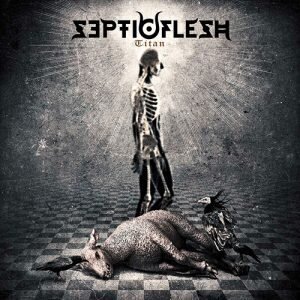
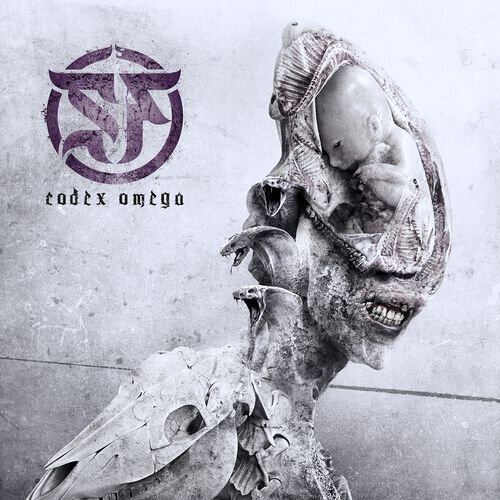
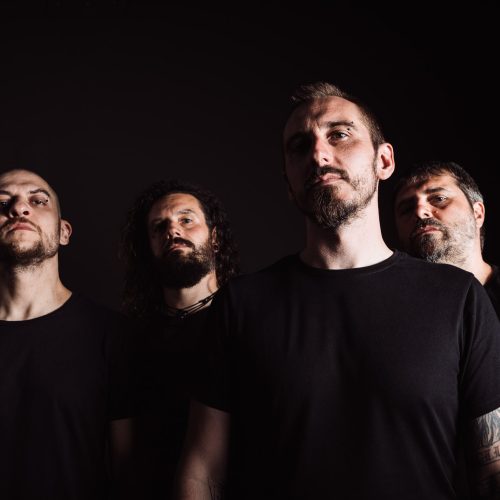
With interest in SEPTICFLESH surging to new heights following the release of “The Great Mass”, their cult beginning with “Mystic Places of Dawn” and all songs on the “Temple of the Lost Race” EP added as bonus tracks can now be explored again under the magnifying glass of a new and much improved remastering!
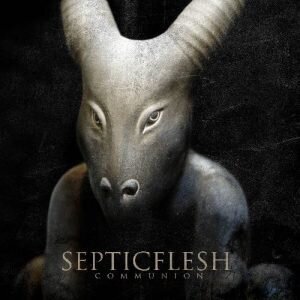
Since their reunion in 2007, SEPTICFLESH have established themselves as a leading force of symphonic Dark Metal with critically acclaimed masterpieces “Communion” (2008) and “The Great Mass” (2011).
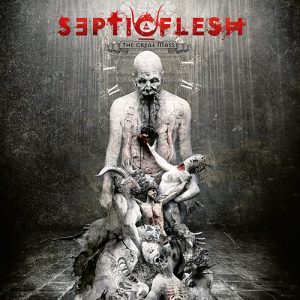
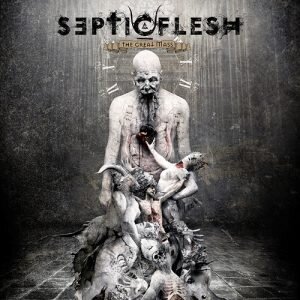
The Great Mass” witnessed SEPTICFLESH firmly taking the throne as the new masters of symphonic darkness. The Greeks’ seventh full length came as a new sonic masterpiece that constituted a quantum leap in the art of amalgamating orchestral music with Heavy Metal. Its songs were audible evidence of guitarist Christos Antoniou completing his studies of classical composition with academic honours and distinction. “The Great Mass” sounded nothing like the nowadays all too common application of ordinary soundtrack themes to hard music.
The course for this exciting journey was already charted on the band’s celebrated comeback album “Communion” (2008), which showed the way with a refined version of SEPTICFLESH’s trademark sound: massive deadly guitars at the edge of blackness combined with intricate string-work are supplemented by haunting gothic melodies and epic orchestral arrangements. The Greeks had put their hiatus after splitting up in 2003 to good use.
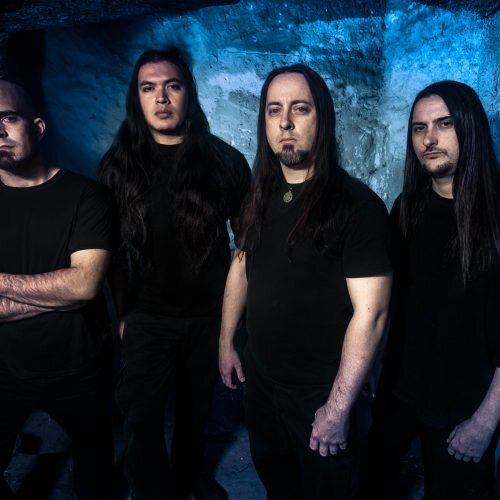
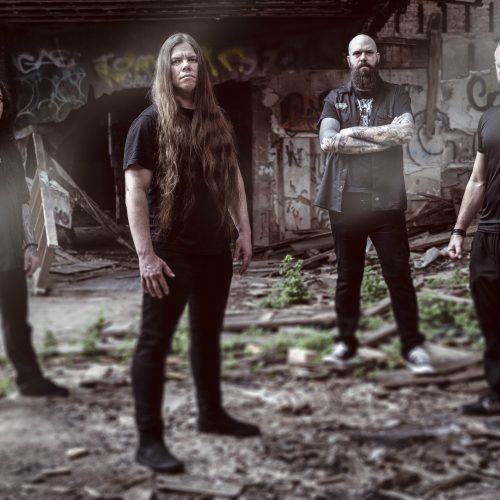
SEPTICFLESH started out in the year 1990 when Spiros "Seth" Antoniou (vocals, bass), Sotiris Vayenas (guitars) and Christos Antoniou (guitars), who are all still members, formed the band in March together with some friends. Their first release the "Temple of the Lost Race" EP (1991) was followed by a period of low profile, which the Greeks used to improve their technical abilities and song writing skills. Thus it did not come as a surprise, that their debut album "Mystic Places of Dawn" (1994) paid tribute to the band's impressive progress. As a result the track "Return to Carthage" was later chosen for the famous "Death Is only the Beginning" compilation.
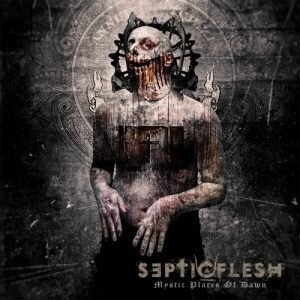
“Mystic Places of Dawn” was produced by former ROTTING CHRIST keyboardist and NEKROMANTIA founder Magus Wampyr Daoloth, and soon acquired cult status after its release. This album revealed strong Death Metal influences with for example OBITUARY shimmering through the textures. Yet in hindsight all the elements to become SEPTICFLESH’s trademarks were already present like their singing typical guitar sound and violin samples hinting at classical influences. This is now becoming far more transparent with the careful remastering, which clearly improved the sound without destroying the original atmosphere. To this day “Mystic Places of Dawn” has lost nothing of its raw charm.
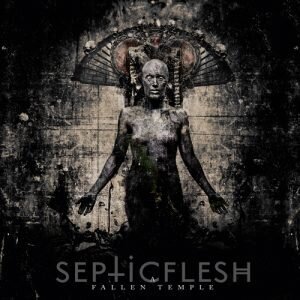
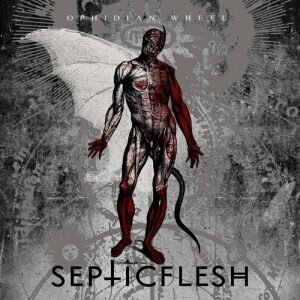
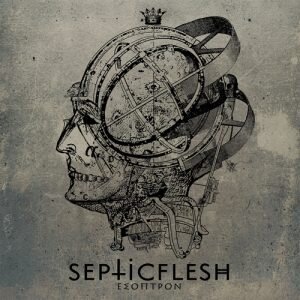
On their next record, "Esoptron" (1995), SEPTICFLESH still continued to explore and enhance their style, steadily gaining more followers. Instead of resting on their laurels, the group took a risk and succeeded to transform their sound on "The Ophidian Wheel" (1997) and its heir "A Fallen Temple" (1998) – which combined five new songs with a re-recording of their first EP – into a new dimension. Using female vocalist Natalie Rassoulis and her neo-classical singing, the band flirted with a more theatrical direction. They also produced their first video clip, which was published under the title "The Eldest Cosmonaut" (1998) as an EP with four new songs.
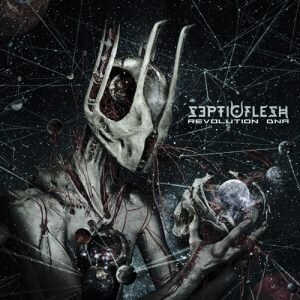
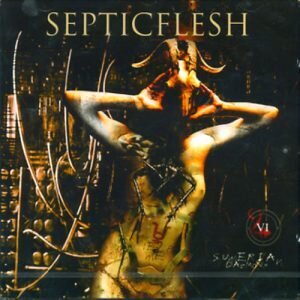
SEPTICFLESH were ready for the next step in their career, after re-creating their early days on the compilation "Forgotten Past" (1999). Then, for the first, but not the last time the band entered the famous Studio Fredman, where "Revolution DNA" (1999) was recorded under the guidance of star producer Fredrik Nordström (IN FLAMES, DIMMU BORGIR, DARK TRANQUILLITY). Widening their stylistic perspective and with a massive more modern production the Greeks dare another experiment, which once again was well received by the public. Their next output seemed to be summing up the career of SEPTICFLESH in more than just one aspect. For "Sumerian Daemons" (2003) they returned to Studio Fredman as well as mixing the different facets of their previous albums into a new formula. Referring back to their own musical history proved a wise decision, but in October 2003 the band shocked their loyal fans by splitting up in the fourteenth year of their existence.
Most members continued to play hard music with different projects and bands, but their supporters kept mourning the loss of one of the few innovative and original groups in the dark genre. Their sad cries were heard and SEPTICFLESH first announced a reunion show at the Metal Healing Festival in their home country on February 19th, 2007 and signed with Season of Mist soon after. "Communion" was released in March 2008 and quickly proved to be another milestone in SEPTICFLESH's ascendancy and earned them the long deserved attention.
In April 2011, “The Great Mass” was unleashed onto an expecting world. With the aid of the instrumentalist and choir of the Filmharmonic Orchestra of Prague as well as the massive sound created by renowned Swedish producer Peter Tägtgren (IMMORTAL, HYPOCRISY), SEPTICFLESH achieved immortality with their highly original and very cinematic dark musical matter at the edge of Black, Death and Gothic Metal. Now it is time to re-visit their roots...
Presenting their “great mass of death” and the apocalypse at the hands of the mad architect is hardly something that any band can do in half-hearted fashion, and it is only fitting that Septicflesh have followed their mighty 2008 offering ‘Communion’ with an opus every bit as epic. Bolstered by the 150-plus members of the Prague Filmharmonic Orchestra, female soprano Androniki Skoula and a weighty Peter Tägtgren production, the result is a clash of the titans of blockbuster proportions. The harsh vocals of Spiros "Seth" Antoniou attack like a conquering ancient emperor, crushing civilisations in their wake, and Sotiris Vayenas' clean sweeps on tracks such as the stand-out ‘Rising’ work as dramatic contrast. Despite the huge scope of the overall musical thematic, songs themselves are dished out in rapid and quick-fire succession, never overstaying their welcome and attacking like parts of a movie littered with memorable battle scenes. Bristling with power and symphonic pomposity, this is an album clearly defining itself as one of the most richly and dynamic listens one is likely to find within the realms of extreme music at the moment. Massive in scope, monstrous in design, Septicflesh have composed a malevolent mass of arcane and devilish delights.
Pete Woods
Rock Tribune 98/100 - Belgium - Apr 2011
Als er één plaat was waarnaar ondergetekende al enige tijd zat uit te kijken, dan is het wel de nieuwe Septicflesh. Insiderberichten hadden me reeds gewaarschuwd voor de impact die van deze cd uit zou gaan en we hoorden zelfs dat ‘Septicflesh de plaat gemaakt heeft die Dimmu Borgir had willen maken’. Natuurlijk is er meer dan voldoende leefruimte voor beide bands en hebben ze elk voldoende hun kunnen bewezen, maar het is niettemin een begrijpelijke uitspraak. Na de vijf jaar durende stilte die ‘Sumerian Daemons’ opvolgde, sloeg Septicflesh in 2008 namelijk keihard toe met ‘Communion’, een meesterwerk dat vriend en vijand verraste en de luisteraar werkelijk overrompelde in alle opzichten. Het meest opvallend was evenwel de niet geringe bijdrage van gitarist Christos Antoniou, tevens het klassiek geschoolde brein achter Chaostar die ook in Septicflesh alle ruimte kreeg om zijn orkestrale lusten te kunnen botvieren. Op ‘The Great Mass’ wordt het allemaal nog grootser dan voorheen, want de man mocht het Filharmonisch Orkest van Praag dirigeren naar de eindstreep en al dat moois werd tot een perfecte cocktail gemixt met de magistrale Helleense black/death van de ‘dream masters’. Inmiddels hebben we er al –tig luisterbeurten opzitten, maar telkens weer ontdekken we nieuwe elementen die we voorheen niet opmerkten en het genius van deze Griekse demonen nogmaals benadrukken. Gitaristen Christos Antoniou en Sotiris Vayenas zijn in bloedvorm en gooien er de ene beukende moordriff na de andere tegenaan, bijgestaan door de bulderende bas van Seth Spiros Antoniou en de oorlogsdrums van Fotis Benardo. De drakenstrot van Seth growlt weer onovertroffen, maar mag af en toe ook rekenen op de bijstand van Sotiris’ machtige heldere zang waar de song dit vereist. Voor het eerst sinds lange tijd haalden ze er nog eens een zangeres bij om de epische stukken in bijvoorbeeld ‘Oceans Of Grey’ van een opera-effect te voorzien. Waar deze rol vroeger werd ingevuld door Natalie Rassoulis, werd haar opvolgster bij Chaostar gevraagd, Adroniki Skoula. Je hoort het verschil nauwelijks, dus op dat gebied zit het ook weer helemaal snor. ‘A Great Mass Of Death’ is zondermeer een grootse titelsong en alle registers worden opengetrokken: bombastische orkestratie die een versmachtende horrorstemming opwekt, een voltallig zangkoor dat je aan Orff’s ‘Carmina Burana’ doet denken,... Terwijl doen de heren hun ding met vocale duels tussen Seth en Sotiris, evenals muzikale schommelingen tussen ingetogen met typische melancholische leads en plotse erupties met blastbeat-drums en een gewapend betonnen muur van gitaren zo heavy dat Manowar ervan in de broek zeikt. In ‘Rising’ zitten dan weer de meest epische gevoelens van de plaat opgeborgen en mag Sotiris de vocale hoofdrol opnemen. De dreiging die vooral van het tweede deel van ‘Pyramid God’ uitgaat valt nauwelijks te overtreffen, of je moest al naar een andere Septicflesh-song op deze plaat grijpen, zoals het supersnelle ‘Five-Pointed Star’ of het machtige ‘The Undead Keep Dreaming’. Om nog maar te zwijgen van het waanzinnige ‘Mad Architect’, dat haast lijkt te bezwijken onder de kwaadaardigheid en waarin de meest geflipte wendingen je hoofd doen tollen. Dankzij de bijdragen van de gekwelde dissonanten in de strijkersectie zou het zo kunnen dienen als soundtrack voor de akeligste film aller tijden. Voordien hadden we angst dat Septicflesh nooit nog het meesterwerk ‘Communion’ zou kunnen evenaren, laat staan overtreffen. Dat alles blijkt een maat voor niets te zijn geweest, want wat Septicflesh deze keer heeft neergezet, kan je zelfs met het meest uitgebreide arsenaal aan superlatieven nauwelijks de aangewezen eer aandoen. Wat zit je daar dus nog in je zetel te doen? Maak dat je naar de platenboer loopt en ‘The Great Mass’ in huis haalt!
Morbid Geert
Inferno 4,5/5 - Finland - Mar 2011
Usein tuntuu, että olisi sen parempi, mitä useampi yhtye pistäisi soittopelinsä naulaan. Bändejä kun on aivan liian kanssa, aivan kuten populaa pallolla muutenkin. Vaan kappas: joskus tuo fiilis voi sattua hyvinkin kipeästi omaan nilkkaan. Kreikkalainen Septicflesh (ent. Septic Flesh) luovutti jo kertaalleen vuonna 2003, yli vuosikymmenen kelvollisen uran päälle, mutta ilmaantui muutama vuosi myöhemmin takaisin markkinoille. Paluun tuloksena syntyi seitsemäs SF-albumi Communion, joka oli paitsi julkaisuvuotensa (2008) kovimpia metallipläjäyksiä myös monen mielestä bändin siihen asti kovin tuotos. Kyseessä oli harvinaisen tyylitajuinen ja mietitty kokonaisuus tummasävyistä, mahtipontista ja helvetillisen jylhää orkestroinnein ryyditettyä death/dark metalia, jonka käyttöpäivämäärä ei ole umpeutunut vieläkään. Nyt Communionille tulee tosin tukalaa, sillä The Great Mass hakkaa edeltäjänsä vähän kaikessa. Albumi pauhaa alusta loppuun kuin tuomionpasuuna, eikä levyltä saa hetken rauhaa. Pattia on vaikka pienen kaupungin tarpeiksi, mutta Septicfleshin voima ei pesi pelkässä metelöinnissä, vaan huolellinen kuuntelu paljastaa The Great Massin raidoilta miltei ylimaallisen hienosti rakennetun sävelkudelman. Harvoinpa on voinut sanoa sinfonisten elementtien tukevan metalliyhtyeen toimia niin hienosti kuin nyt. Tai no, oikeastaan voisin todeta, etten ole törmännyt tällaiseen vakuuttavuuteen vielä koskaan. Prahan filharmonisen orkesterin suoltamat klassiset soittimet ovat kuin Septicfleshin muhkean soundin luonnollinen jatke, tai jopa osa sielua. Niiden sointi ei missään vaiheessa muutu kokonaisuuden päälle väenvängällä liimatuiksi kiiltokuulokuviksi. Jotta moinen ratkaisu toimii, tarvitaan tietysti taiten sävellettyjä ja sovitettuja kappaleita, ja niitä Septicfleshillä piisaa, tällä kertaa koko levyllinen. Vinyylimittaan mahtuva The Great Mass on julma, väkivahva albumi, goottikirjaimin kiveen hakattua asiaa alusta loppuun. Jopa sen aikaa, paikkaa, olemassaoloa ja sen päättymistä, toden ja epätoden eroja pohtivissa sanoituksissa on tavallista enemmän pontta. Aika jumalattomia saa tehdä, jos joku tai jokin pistää tästä kuluvan vuoden äärimetallikahinoissa paremmaksi. Mahtava meininki, siis, mutta epäilijän vääjäämätön kysymys kuuluu, mitä tämän jälkeen? Tätä isommalle harrastamansa jylhistely ei näet paisu, ainakaan ilman sivullisvahinkoja. En malta myöskään olla pohtimatta, albumin teemojen hengessä, miten helvetin hieno lopetus tämä olisi yhtyeen maanpäälliselle vaellukselle. Pysykää silti pelissä, kiitos.
Matti Riekki
Metal Hammer 6/7 - Germany - May 2011
Beinahe unbemerkt sind sie an die Spitze der schwarzen Bewegung angelangt: Septicflesh zählen zu den wenigen etablierten Bands des Finster-Sektors, die in den vergangenen Jahren an Kraft zuzulegen konnten. Die flammende Wut ihrer Stücke wirkt trotz aller Furiosität nie unkontrolliert, sondern verschlingt den Hörer exakt zu dem Zeitpunkt, den die Protagonisten dafür vorgesehen haben. Die Mischung aus kühler Präzision und kochendem Groove, aus einlullenden Melodien, beschwörenden Chören und schlitzendem Hass ist verzaubernd und unheimlich zugleich. Im Vergleich zu COMMUNION (2008) gehen die Vier noch dynamischer, epischer, organischer zur Sache – was wiederum dazu führt, dass THE GREAT MASS in Sachen Dramatik mehr zu bieten hat als der Vorgänger. Hinzu kommt, dass Septicflesh es schaffen, durch die kluge optische wie lyrische Klammer ein Gesamtkunstwerk zu erschaffen, das zum Ausgefeiltesten zählt, was das Genre im Moment zu bieten hat.
Petra Schurer
Legacy 14/15 - Germany - May 2011
Das Nightfall-Comeback von 2010 in allen Ehren, aber die beste Nachricht aus Griechenland war schon einige Jahre zuvor die Kunde der SEPTICFLESH-Reunion, welche mit „Communion“ nicht nur künstlerisch, sondern auch kommerziell von Erfolg gekrönt war. Die Rückintegration des neoklassischen Chaosstar-Kompositionsansatzes (‚Mad Architect’) in den bissigen, ohnehin experimentellen wie virtuosen Band-Ansatz, erwies sich als Geniestreich. Insofern ist es den Musikern nicht zu verübeln, diese Basis weiter auszubauen, statt sich krampfhaft zu verändern oder zu stagnieren. Mit den beiden charakteristischen Stimmen – dem tiefen Drachengesang von Spiros (alias Seth, auch als Coverkünstler bekannt – nicht nur in eigener Sache) und den hellen Chants von Sotiris – sowie dem prägnanten Gitarrenton von Chris Antoniou verfügt die Band-Identität auch abseits der meisterhaften Orchestrierungen über mehrere Eckpfeiler. Die Zusammenarbeit mit Philharmonikern deckt verschiedene Ansprüche ab, manifestiert sich in rasanten und avantgardistischen Kompositionen ebenso wie in eingängigen, vergleichsweise konventionellen Stücken wie ‚Pyramid God’ oder ‚Rising’. Gerade letztgenanntes Stück dürfte mit seinen Harmonien jedes Heavy Metal-Herz im Sturm erobern. Im Gegensatz zu Therion haben sie bei aller Liebe zur Klassik den Death (!) Metal nicht aus den Augen verloren und servieren teils haarsträubend brutale Blast-Einlagen (‚Five Pointed Star’, ‚The Undead Keep Dreaming’). An Dynamik ist „The Great Mass“ nicht zu übertreffen und zusammen mit Devin Townsends „Deconstruction“ sicher das Genialste, was die Prager Symphoniker je mit einer Metal-Band eingespielt haben. SEPTICFLESH und ihr Produzent Peter Tägtgren schaffen es dabei, eine Balance zwischen einer rhythmisch sehr modernen Produktion (Drumming, Stakkato-Riffs) und einem authentischen, lebendigen, warmen Klangbild (Orchester, Sotiris Gesang, Lead-Gitarre) zu halten. „The Great Mass“ wäre in seiner archaischen Wucht auch der ultimative Soundtrack für einen Streifen wie „300“. Dreamy Emotional Death - so der frühere, immer noch zutreffende Slogan von Holy Records - mit Zähnen. Wäre jetzt noch Frau Rassoulis heimgekehrt, würde nichts an der vollen Punktzahl vorbeiführen.
Οι Septicflesh επέστρεψαν. Η αλήθεια είναι πως προσωπικά το “Communion” δεν κατάφερε να με συγκινήσει σχεδόν καθόλου και πίστεψα πως η νέα τους δουλειά θα ακολουθούσε τα ίδια μονοπάτια. Ευτυχώς έπεσα έξω. Σε καμία περίπτωση δεν περίμενα να ακούσω αυτό που άκουσα. Πάντα θεωρούσα το “Sumerian Daemons” που κυκλοφόρησε πριν την διάλυση του συγκροτήματος, ως την πιο εμπνευσμένη κυκλοφορία τους. Το “The Great Mass” μοιάζει να σηκώνει την αυλαία σε μια νέα εποχή για το συγκρότημα, που θα τους φέρει ακόμη μεγαλύτερη αναγνώριση σε παγκόσμιο επίπεδο. Χωρίς καμία υπερβολή αυτό το album είναι ότι καλύτερο έχω ακούσει από πλευράς ενορχήστρωσης και παραγωγής τα τελευταία 2 χρόνια (μετά το ‘Abrahadabra’ των Dimmu Borgir). Ύστερα από άπειρες ακροάσεις ακόμη δεν έχω καταλήξει αν με συγκινεί περισσότερο η φανταστική υπερπαραγωγή του δίσκου ή οι καταπληκτικές συνθέσεις. Πιθανότατα να ισχύουν και τα δυο! Σε 43 λεπτά οι Septicflesh βάζουν τον καλύτερο εαυτό τους σε 10 νέες συνθέσεις που σαφέστατα διατηρούν τον προσωπικό ήχο του συγκροτήματος αλλά αναπτύσσουν μια ακόμη πιο έντονη ατμόσφαιρα που σε καθηλώνει. Χορωδίες, συμφωνική ορχήστρα, καταιγιστικοί ρυθμοί και το γνωστό ύφος των riffs των Septicflesh. Όλα μαζί σε ένα πάντρεμα επιτυχίας. Με σιγουριά μπορώ πλέον να πω ότι το “The Great Mass” είναι ότι πιο ώριμο και εμπνευσμένο έχουν κυκλοφορήσει ποτέ. Σίγουρα έκαναν ένα βήμα πίσω προς το ύφος του “Sumerian Daemons” αλλά κι αρκετά βήματα μπροστά σε όλους τους τομείς. Μιλάμε σίγουρα για την καλύτερη ελληνική κυκλοφορία της χρονιάς, χωρίς καμία υπερβολή. Άλλωστε ποτέ δεν υπήρξα ‘fan’ του συγκροτήματος. Μόνο και μόνο από πλευράς παραγωγής επιβάλλεται να το ακούσετε, καθώς δεν πιστεύω ότι ελληνικό συγκρότημα έχει καταφέρει κάτι αντίστοιχο ως τώρα. Όσο για τους φίλους του συγκροτήματος, τα λόγια είναι περιττά... Δεν έχω να ξεχωρίσω κανένα τραγούδι περισσότερο... όλα κυλάνε με μια καταπληκτική ροή και συνοχή και το ένα συμπληρώνει και συνεχίζει το άλλο στο tracklist. Αυτός ο δίσκος ακούγεται από την αρχή ως το τέλος με το ίδιο ενδιαφέρον και συνεχίζει να σου προκαλεί ανατριχίλα με την επιβλητική του ατμόσφαιρα.
Sofia Charalampous
Metal Hammer 10/10 - Poland - Apr 2011
Grecy powracają z ósmym już albumem w karierze. Karierze, w trakcie której nie przeżyli może jakichś wielkich upadków, ale też i niewielu doświadczyli wzlotów. Oczywiście, Septic Flesh to zespół o ustalonej marce, produkujący solidne płyty, który jednak nigdy, przynajmniej w moim odczuciu, nie nagrał porywającego krążka. Nigdy nie budziłem się z chęcią natychmiastowego odpalenia którejś z ich płyt. A przecież z muzyką czasem jest jak z dziewczyną, cały dzień potrafi chodzić po głowie. Do tej pory moimi faworytami w dyskografii SF były: ostatnia, jak dotąd, "Communion" (2008) oraz wcześniejsza "Sumerian Daemons" (2003). Można powiedzieć, że przy okazji wydania tej ostatniej coś dobrego zaczęło się dziać w muzyce Greków. Nie mam też wątpliwości, że "The Great Mass" to najlepsza rzecz, jaką wydali muzycy z Hellady. To zawsze miłe zaskoczenie w czasach, gdy zwykle zespół mający 3-4 płyty na koncie każdym kolejnym wydawnictwem uświadamia słuchaczowi, że najlepsze, co miał do zagrania, już (niestety) nagrał. Są od tej reguły wyjątki i Septic Flesh ewidentnie do nich należy. Od pierwszych płyt Ateńczycy starali się łączyć orkiestralne klawisze z melodyjnym death metalem. Jednak dopiero na ostatnich płytach udało im się skomponować naprawdę świetne tematy. Muzycy Septic Flesh mają projekt o nazwie Chaostar. Kształcący się w kompozycji w London College of Music lider Septic Flesh Christos Antoniu, dawał upust swemu zamiłowaniu do klasyki w tym właśnie projekcie. Było kwestią czasu, kiedy połączy obie formy muzyczne w jedno i stało się to właśnie na "The Great Mass". Z pomocą w utrwaleniu tej wizji przyszła Orkiestra Filharmonii Praskiej oraz 32-osobowy chór. Efekt jest co najmniej zdumiewający. Porównywać orkiestracje np. Dimmu Borgir do tych z "The Great Mass" to jak porównywać fabułę "Zmierzchu" do "Niebezpiecznych Związków" Frearsa. Obydwa są być może dobrze zrealizowane, ale niuansów i treści jakby więcej w tym drugim. Zarówno jeśli idzie o tematy na orkiestrę, jak i te death metalowe, to najlepsza rzecz, jaką Grekom udało się skomponować do tej pory. Muzyka na "The Great Mass" jest raz gwałtowna, raz klimatyczna. Jednak dominującym elementem jest ten pierwszy. Brzmi to trochę jak soundtrack do jakiegoś gotyckiego horroru. Ściana dźwięku jest powalająca. Orkiestracje na szczęście nie ociekają bombastycznym patosem. Bardziej budują klimat, a jeśli już spotykają się w crescendo z gitarami i perkusją, zaaranżowane są na tyle ciekawie, że nie odnosi się wrażenia, że słyszało się to już sto razy. Zmienność tempa to też duży atut płyty. Aranżacja perkusji, kombinowanie ze zmiennym metrum, tak niewiele trzeba, by zaciekawić słuchacza, tak by nie miał wrażenia powtarzalności. Tu również oklaski dla perkusisty Fotisa Benardo. Jest też ukłon w stronę starszych fanów w postaci "Rising", gdzie prosty melodyjny gitarowy temat stanowi podstawę utworu, w refrenie zaś słychać charakterystyczny czysty wokal Sotirisa Vayenasa. Tak niewiele czasem potrzeba, by skomponować dobry metalowy numer. Septic Flesh właśnie osiągnął szczyt i mam nadzieję, że nieprędko z niego zejdzie. Takie płyty pchają ten gatunek do przodu. Na dzień dzisiejszy "The Great Mass" w moim odczuciu jest poza konkurencją, jeśli idzie o death metal. Jeden z najlepszych albumów w tym gatunku od lat. Pozostaje wcisnąć play i ponownie zanurzyć się w niespokojnym klimacie, wykreowanym przez Greków.
Als er iets is waarop we echt vol spanning zaten te wachten, dan was het toch wel de nieuwe Septicflesh. Hun vorige album 'Sumerian Daemons' was één van de hoogtepunten van 2003, maar helaas besloten de Helleense 'dream masters' even later ermee te kappen. We hadden altijd al een boon ter grootte van een vuist voor de sublieme black/death van het stel, dus waren we nauwelijks te houden toen 'Communion' eindelijk in de brievenbus zat. Na slechts één luisterbeurt wisten we het al: de band overtrof zich nog maar eens op alle vlakken. Opener 'Lovecraft's Death' kon onmogelijk kwaadaardiger en gruwelijker inzetten. Een loeiharde start, die evenwel bulkt van de atmosfeer en middels een klassiek orkest meteen als soundtrack voor een horrorfilm zou kunnen dienen. 'Annubis' is eerder episch van aard, met de nadruk op de typische melancholische gevoelens die het gezelschap sinds 'den beginne' koesterde. Hier krijgen we ook te maken met het spanningsveld dat opgebouwd wordt tussen Seth's draconische buldergrunts en Sotiris' zalvende, mysterieus aandoende klare zang. De titelsong is zo mogelijk nog van meer bombast vervuld, waarna 'Babel's Gate' je loeihard het verleden in ramt en met de strijkers en koperblazers weer een verstikkend dreigende sfeer opbouwt, die door het koor naar nieuwe hoogten wordt getild. 'Sunlight Moonlight' valt eveneens sterk op, al bleef hier de orkestratie achterwege. In dit mystieke nummer mag je in de chorus weerom genieten van Sotiris' betere zangwerk en al is het één van de rustigste songs van de plaat, toch blijft de basis meer dan stevig te noemen. Wat dan volgt, is het absolute hoogtepunt van de plaat. Septicflesh schreef doorheen hun carrière al heel wat klappers, maar het verhaal van de teloorgang van 'Persepolis' overstijgt alles! De manier waarop de denderende drums door de opbouwende dreigende filharmonische orkestratie worden begeleid in de inleiding van de song, blaast je al uit je schoenen. De hele song wordt gedragen door superieur riffwerk, vergezeld van de bedrukkende, haast claustrofobische violen en hoorns en buiten Dimmu Borgir's 'Puritanical Euphoric Misanthropia' hoorden we nooit een zodanig perfect uitgebalanceerde samenloop tussen extreme metal en klassieke muziek. Zelfs 'Waanzinnig goed!' zou nog een understatement zijn voor dit nummer, kan je nagaan. Met 'Sangreal' en 'Narcissus' volgen dan nog wel twee sterke songs, maar tegen de climax van 'Persepolis' kan niks meer op. De terugkomst van Septicflesh konden we niet beter gedroomd hebben en bij de inzet van het jaar hebben we met 'Communion' al meteen een grote kanshebber voor de titel van 'Plaat van 2008' in handen!
Morbid Geert
Hard Rock Magazine 9.5/10 - France - Mar 2008
Le split d'un des groupes de metal extrême grec les plus connus et les plus talentueux en avait fait pleurer plus d'un dans les chaumières en 2003, juste après la sortie de Sumerian Daemons. Il est donc temps de sécher ses larmes et de retrouver sa joie de vivre, Communion annonce le retour du quintette en meilleure forme qu'il ne l'a jamais été. L'ouverture sur "Lovecrat's Death" est là pour le prouver, à lui tout seul, ce morceau résume – presque – le contenu de Communion : les growls profonds et inimitables de Seth, les mélodies de guitare harmonisées uniques typiques de Septic Flesh, l'aspect orchestral grandiloquent expérimenté de façon poussée dans Chaostar (le guitariste Chris, toujours à l'origine des arrangements orchestraux, s'est d'ailleurs payé le luxe de diriger une chorale de 32 chanteurs et de 80 musiciens pour concrétiser ses idées) ; manque un élément qui faisait cruellement défaut sur Sumerian Daemons, le superbe chant clair de Sotiris. A partir du deuxième morceau, le propos change et le premier contraste surgit. On laisse de côté les blasts et la brutalité qui nous ont assaillis dès les premières secondes du premier titre. "Annubis", beaucoup plus mélancolique et mid-tempo, permet au chant de Sotiris de prendre toute son ampleur en amorçant le refrain. Sa voix sera d'ailleurs extrêmement bien mise en valeur sur presque la totalité des titres de Communion. On assiste à un véritable échange d'émotions entre Sotiris, Seth et les chœurs. L'orchestre symphonique quant à lui est souvent employé de façon inattendue, jouant ses parties sur des rythmes inhabituels ; on est assez loin du rendu d'un Dimmu Borgir par exemple. L'orchestre et les instruments « traditionnels » d'un groupe de metal se mêlent très souvent les uns aux autres au lieu de fonctionner de façon séparée et de simplement se répondre. On retrouve là l'expérience de Chris dans le domaine des arrangements complexes. A la batterie, Fotis, qui avait fait son apparition dans le groupe juste avant le split, assure le rythme sans faiblir et son jeu fouillé pose une base solide et complète sur laquelle le reste des instruments peut se reposer de façon fiable. Comme toujours, les Grecs sont parvenus à trouver un équilibre presque parfait entre la brutalité du metal extrême, qu'il soit black ou death, la mélodie catchy qui se retient très facilement et la musicalité. Neuf titres tous aussi bons les uns que les autres, pas un qui ne soit en dessous d'un autre (même si parmi les hits à ne surtout pas laisser de côté on se doit de citer "Sangreal" dont la mélodie principale est tout simplement géniale).
Sven Letourneur
Rock Hard 8.5/10 - Spain - Mar 2008
Cinco largos años de espera llevaba un servidor expectante ante la llegada de este día y he de decir que la espera ha valido la pena. Septic Flesh, o lo que es lo mismo; Una de las bandas más infravaloradas de la escena, reanudan su actividad de la mejor forma posible con esta obra maestra de nombre Communion. Lo fácil para los dioses griegos habría sido presentar cualquier propuesta ya hecha en el pasado, pero los liderados por Sotiris Vayenas y los hermanos Antoniou han preferido tirar por la senda opuesta y demostrar que no todo está inventado. Communion seguramente no sea el mejor disco de Septic Flesh, pero eso queridos lectores, es complicado teniendo en mente joyas pretéritas del calibre de Esoptron, Ophidian Wheel o A Fallen Temple. Dejémoslo en que los griegos han presentado una nueva obra maestra que muestra todas las caras del grupo y muchas más desconocidas hasta ahora. Si eres de los que alucinaste con la brutalidad de Sumerian Daemons, aquí hay para dar y repartir. De la misma forma, las melodías de guitarra inigualables que solo ellos saben crear y que por ejemplo inundaban Ophidian Wheel hacen acto de presencia igual que las voces limpias marca de la casa del señor Sotiris Vayenas. Eso sí, la dulce Natalie Rassoulis no se pasó por el estudio en esta ocasión. La diferencia respecto al pasado reside en la grandeza de su nuevo sonido gracias a las gigantescas orquestaciones y coros dirigidos por el propio Chris Antoniou que se ha puesto al frente de la orquesta filarmónica de Praga y la ha exprimido al máximo con escalofriantes resultados. Melódicos, brutales, únicos, vanguardistas y apocalípticos, Septic Flesh han vuelto para quedarse.