Thy Catafalque
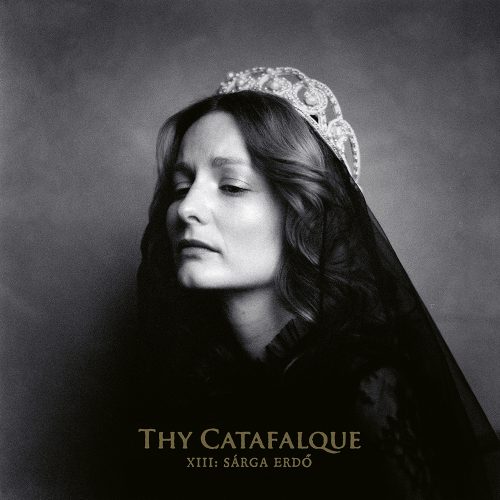
XIII: Sárga erdő
Artist: Thy Catafalque
Catalog Number: SOM917
Release Date: November 20th, 2026
- Búcsú a piros madártól
- Ég-anyám, föld-apám
- Dunnák alatt kék mező
- Szitakötő
- Suhamló éji fák
- Puszta
- Sirató
- Cseremisz
- Sárga erdő
- Tömbök
- Kút vizén nap forog
- 87 tavasz, 87 ősz
XIII: Sárga erdő
THY CATAFALQUE is the solo-helmed Hungarian avant-garde metal project of Tamás Kátai, running since 1998 and now a two-time Fonogram (Hungarian Grammy) winner. What began as a studio-only outlet has grown, over the past few years, into a full international touring act with festival slots across Europe and a first-ever run through Latin America.
XIII: Sárga erdő is Thy Catafalque's thirteenth album, and unlike its predecessors it carries no single narrative thread—the twelve tracks move instead through what plays like a wandering across old ground, touching on loss, distance, memory and disappearance without ever settling on one story. The record marks a real shift in how it's built: this is the first time Thy Catafalque has used a live drummer rather than programmed rhythm, and while the cast is enormous—thirty-four musicians plus a twenty-voice male choir—the folk and classical textures that once flooded every corner of a song (piano, strings, brass, reed, sitar, kamancheh, zither) are used here with real discipline, brought in only when a track calls for them. The result sits closer to the bone than the maximalism of the last record, heavier in restraint than in volume, and it still finds room for a fictitious folk song built for a vanished people on the Volga, an incineration metaphor turned into the album's heaviest cut, and an opener that reads like a farewell letter. Gábor Vári returns behind the desk for a second record running, keeping the production language consistent even as the arrangements pull back.
XIII: Sárga erdő is Thy Catafalque's thirteenth album, and unlike its predecessors it carries no single narrative thread—the twelve tracks move instead through what plays like a wandering across old ground, touching on loss, distance, memory and disappearance without ever settling on one story. The record marks a real shift in how it's built: this is the first time Thy Catafalque has used a live drummer rather than programmed rhythm, and while the cast is enormous—thirty-four musicians plus a twenty-voice male choir—the folk and classical textures that once flooded every corner of a song (piano, strings, brass, reed, sitar, kamancheh, zither) are used here with real discipline, brought in only when a track calls for them. The result sits closer to the bone than the maximalism of the last record, heavier in restraint than in volume, and it still finds room for a fictitious folk song built for a vanished people on the Volga, an incineration metaphor turned into the album's heaviest cut, and an opener that reads like a farewell letter. Gábor Vári returns behind the desk for a second record running, keeping the production language consistent even as the arrangements pull back.